
The $57.6 Billion Global Pump Market Is Being Reshaped
The global pump market reached $57.6 billion in 2025 and is projected to grow at 4.9% CAGR through 2035. But aggregate numbers hide dramatic regional shifts. While European and North American markets grow at 2-3%, emerging markets in Africa, the Middle East, Southeast Asia, and South America are expanding at 8-15% annually. For pump importers, the opportunity has never been bigger — but neither has the complexity.
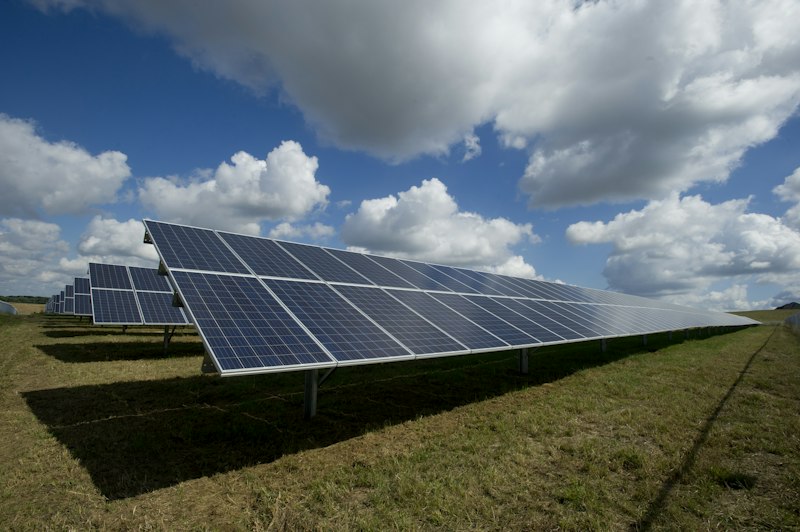
Trend 1: Solar Water Pumps Are Eating the Market
| Region | Solar Pump Market 2025 | Solar Pump Market 2030 (Projected) | CAGR | Key Driver |
|---|---|---|---|---|
| Saudi Arabia | $180-220M | $500-650M | 18-22% | Vision 2030 agricultural subsidies |
| Sub-Saharan Africa | $350-450M | $900-1,200M | 16-20% | Off-grid irrigation, NGO/donor programs |
| Southeast Asia | $200-280M | $500-700M | 14-17% | Dry-season farming, diesel replacement |
| South America | $150-200M | $350-500M | 12-15% | Agribusiness sustainability mandates |
The solar pump revolution is being driven by Chinese-manufactured solar pump systems. China produces over 70% of the world's solar panels AND the compatible pump-motor-controller systems. For importers, this means one-stop sourcing at competitive prices.
Trend 2: Chinese Manufacturing Has Reached the Quality Inflection Point
Five years ago, "Chinese pump" meant "budget option." Today, tier-1 Chinese manufacturers like NOVAPUMP (novapump.cn) are winning municipal water supply tenders previously reserved for Grundfos, KSB, and Ebara. The shift is driven by:
- IE3 motor efficiency as standard — meeting global energy regulations
- CNC-machined hydraulic components — dimensional accuracy within 0.01mm, matching European tolerances
- ISO 9906 Grade 1 testing — independently verified performance curves
- Vacuum pressure impregnation (VPI) motor winding — moisture resistance matching European OEMs
- 40-60% price advantage — not from cutting corners, but from China's integrated supply chain and manufacturing scale
Trend 3: Regional Demand Hotspots for 2026-2028
| Country | Annual Pump Import Growth | Dominant Application | Preferred Pump Type |
|---|---|---|---|
| Nigeria | 12-18% | Agricultural irrigation + urban water supply | Borehole submersible, 4-6 inch, SS304 |
| Saudi Arabia | 15-22% | Solar irrigation + desalination auxiliary | Solar AC/DC submersible + vertical multistage |
| Vietnam | 10-14% | Aquaculture + rice irrigation | Axial flow + submersible drainage |
| Brazil | 8-12% | Soybean irrigation + mining dewatering | End-suction centrifugal + slurry pumps |
| Kenya | 14-20% | Horticulture irrigation + community water | Solar submersible, 2-5HP, SS304 |
Trend 4: IoT and Smart Pumps — Not Just for Developed Markets
Remote monitoring is no longer a luxury. In Nigeria, where a pump technician might need 4 hours just to reach a rural borehole site, IoT-enabled pumps that send SMS alerts for low flow, high current, or dry-run conditions are saving thousands of dollars in preventable failures. Chinese manufacturers now offer IoT-ready pumps with GSM/4G connectivity at a $50-100 premium over standard models — a fraction of the European IoT pump premium of $500-1,500.
Trend 5: Trade Policy Shifts Affecting Pump Importers
- African Continental Free Trade Area (AfCFTA): Phased tariff reductions on industrial equipment. Pumps classified under HS 8413 may see 0-5% intra-Africa tariffs by 2028, making regional distribution hubs (Kenya for East Africa, Nigeria for West Africa) increasingly attractive.
- ASEAN-China FTA (ACFTA): 0% import duty on Chinese pumps into Thailand, Vietnam, Indonesia, and Philippines with Form E certificate. This is a massive competitive advantage for Chinese pump exporters vs European/US suppliers who face 5-10% duties.
Strategic takeaway: The pump market is tilting decisively toward solar, toward Chinese manufacturing, and toward emerging-market demand. Importers who build strong relationships with verified Chinese manufacturers like novapump.cn now will own their markets for the next decade. Visit novapump.cn to discuss your market's specific pump demand profile.
Practical Steps for Importers to Capitalize on 2026 Pump Market Trends
Based on the market analysis above, pump importers should prioritize three actions in 2026: First, evaluate whether their current pump product portfolio is weighted toward the highest-growth segments — solar water pumps, high-efficiency centrifugal pumps with IE4/IE5 ratings, and submersible pumps for borehole applications. Second, verify that their Chinese pump suppliers have the certification capabilities (CE, SASO, SONCAP, INMETRO) to support market access in their target countries. Third, develop a content marketing and technical documentation strategy that positions their pump offerings as solutions to specific regional challenges rather than generic product listings.
Importers who execute on these three priorities will capture disproportionate market share as the global pump market expands toward USD 85 billion by 2032. The window of opportunity is wide but not indefinite — as more importers recognize the growth opportunity in emerging markets, competitive intensity will increase. Establishing strong supplier relationships, deep market knowledge, and a reputation for technical expertise in 2026 creates competitive advantages that compound over the next five years of pump market expansion.
Related Articles
- Water Pump Market Trends 2026: Africa & Middle East Infrastructure Growth Opportunities for Global Buyers
- Chinese Water Pump Manufacturers in 2026: Global Market Share, Export Capabilities, and Strategic Sourcing Guide for B2B Buyers
- Slurry Pumps for Mining Applications 2026: Abrasion-Resistant Materials & Wear Life Optimization Selection Guide